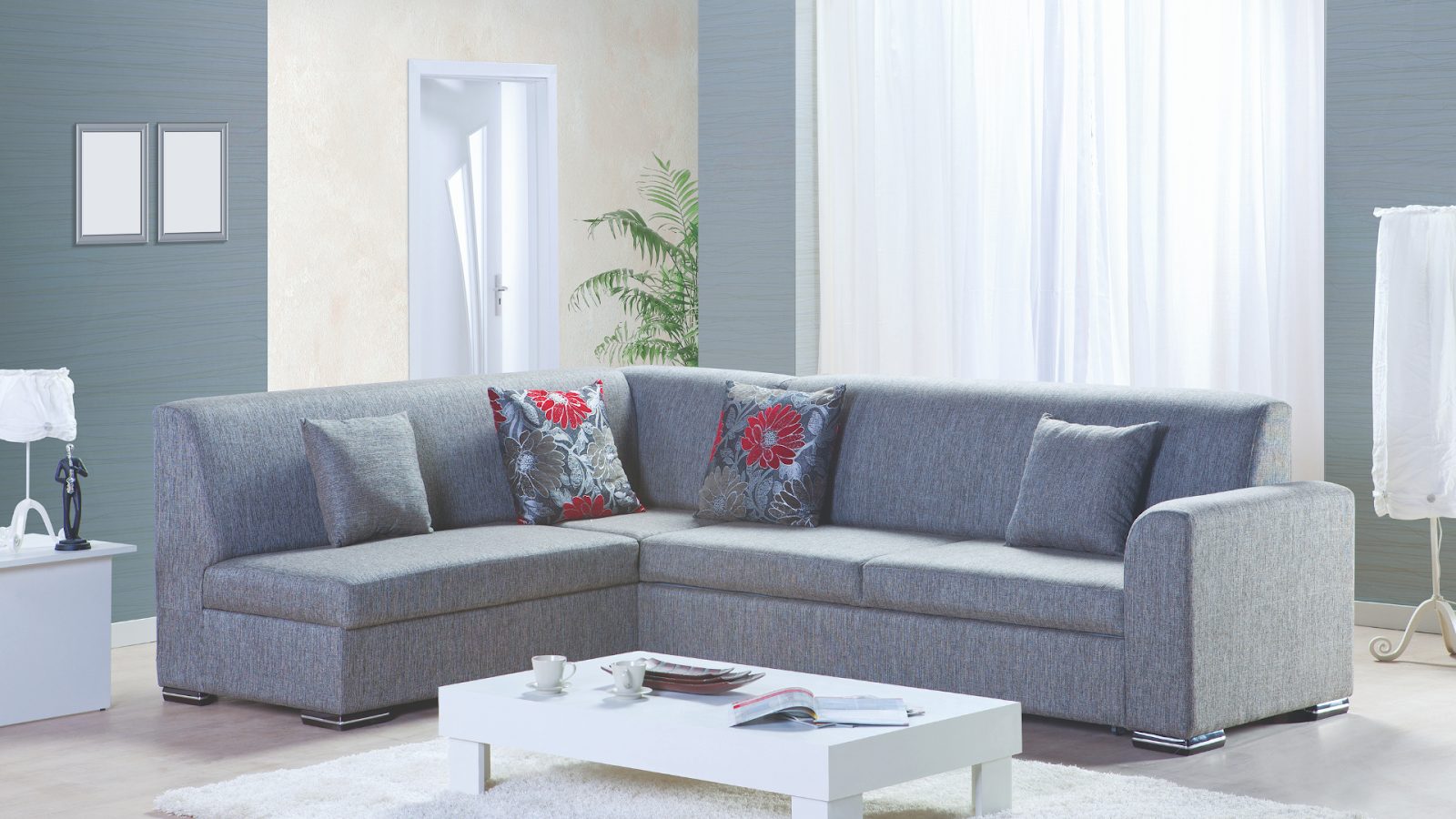
A corner sofa can make a room look bigger or smaller, depending on scale, placement, and how clean the layout feels. The aim is simple: maximise seating while keeping floor space and sightlines open, so the room reads as calm rather than crammed.
A corner sofa can make a small room feel larger because it tucks into an often unused corner, freeing the centre of the floor so the space reads more open. It also creates a clear “edge” to the room, which helps the layout feel intentional rather than cluttered.
An L-shape can replace the typical combination of a sofa plus two chairs, so fewer individual pieces are needed. That simplified footprint often leaves more breathing room for a coffee table, a cabinet, or just empty space, which matters visually.
Clear sightlines help too. When pathways stay open and the room has fewer visual breaks, the eye travels further and the space feels bigger.
Many shoppers looking for the best corner sofas are chasing exactly this benefit: maximum seating without adding bulk, which is why sectional shapes are so popular.
When it uses corners well and reduces extra pieces, a corner sofa can make the whole room feel larger.
The best size depends on the room’s measurements, how people enter and move through the space, and whether there is enough walking clearance. As a rule of thumb, they should aim to keep main walkways clear and consistent, rather than squeezing past furniture at tight points.
Measuring is what prevents expensive mistakes. They should note wall lengths, rug size, the depth of the TV unit, and the main traffic path, then map the corner sofa footprint using masking tape on the floor to check doors, drawers, and walkways.
For compact homes, modular options can be a safer choice because they can scale up or down over time. Many ranges now include configurations designed to maximise space in Australian homes while keeping the seating comfortable.
Local logistics matter as much as dimensions. Shoppers comparing corner sofas in Sydney should check flat lifts, stairwells, and turning space on landings, while corner sofas with Australia-wide delivery can be the deciding factor for regional buyers.
A practical approach: a modular corner sofa lets them adjust the layout without redesigning the whole room.
Yes. A corner sofa in a lighter colour reflects more light and tends to feel airier, while darker tones add contrast and can feel heavier if they dominate the visual field. Colour does not change the floor plan, but it can change how spacious the room feels at a glance.
For a seamless look, they can match the sofa tone closely to the wall colour, or choose a similar-value palette so the room has fewer strong “cuts”. That reduces visual interruptions and helps the space feel calmer.
They can also style smarter without buying more furniture:
For small rooms, the best corner sofas often come in lighter neutrals or offer customisable upholstery options. A well-chosen corner sofa colour can be the difference between cosy and closed-in.
Against the wall usually makes the room feel bigger because it maximises open floor area and improves flow, especially in narrow living rooms. In compact spaces, placing a corner sofa tightly to the wall can keep pathways clear and protect those long sightlines.
Floating can work when the room has enough depth. A corner sofa positioned away from the walls can zone open-plan living and dining, define a conversation area, and even create a walkway behind if there is sufficient clearance.
To keep either layout feeling spacious, complementary pieces matter. A coffee table works best as a functional centrepiece rather than an oversized block, and cabinets help keep everyday items out of view, which reduces the clutter that makes rooms feel smaller.
For corner sofas in Sydney apartments, wall placement often solves tight pathways. In larger Australian homes, floating can elevate the layout when the proportions allow it.
A corner sofa can make a room feel crowded when it is oversized, has bulky arms, leaves too little walkway clearance, or gets paired with too many extra pieces. The issue is rarely the shape alone; it is the scale and what gets sacrificed to fit it in.
Common layout mistakes include blocking door swings, covering windows, pushing the seating too close to the TV unit, or choosing a chaise length that cuts through the main traffic path. If people must constantly sidestep around the sofa, the room will feel smaller no matter how stylish it looks.
This is where guidance helps. A customer-focused furniture store with industry experience can advise on measuring, configuration, and delivery, so buyers avoid sizing errors and get quality and affordability with fast delivery and great customer service.
Final verdict: a corner sofa can make a room look bigger when it is correctly sized and placed, but it will make the room feel smaller when it overwhelms the footprint. Book a measuring check, map the layout, and choose a configuration that keeps the room open.

 On Sale Products