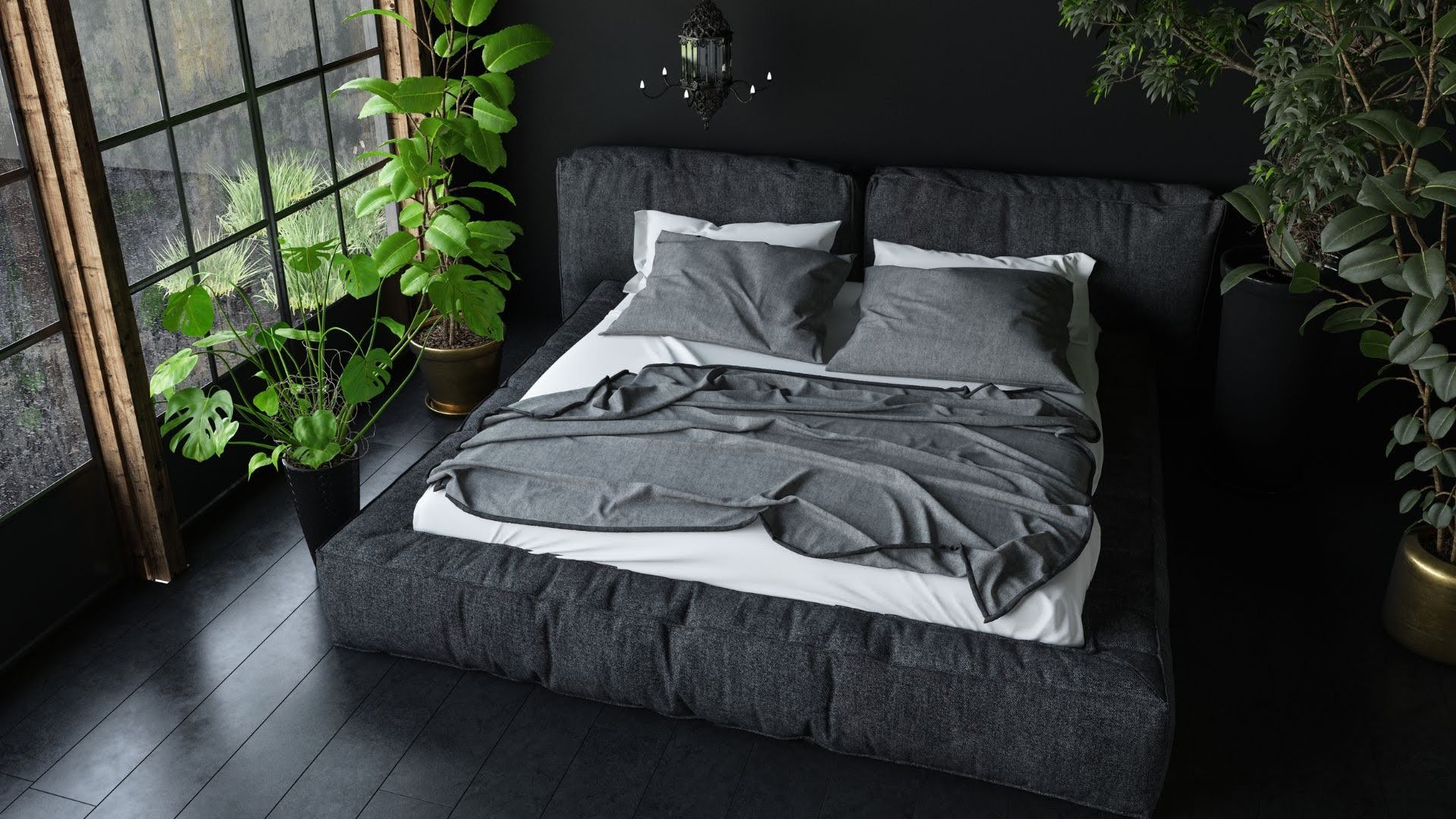
A king bedframe can be a genuine comfort upgrade, but it can also dominate a bedroom if the space and access are not planned. In Australia, they should think beyond sleep and consider flat realities, delivery routes, and after-sales support.
Flat bedrooms can be tighter than those in standalone houses, and access can be the make-or-break detail. Stairs, lifts, narrow hallways, and tight corners can turn delivery into a headache, so checking measurements from the street to the bedroom matters.
A bed frame outlet can be a smart shopping route when they want value without cutting corners on build quality, fast delivery, or customer service. Materials matter too: timber often feels warmer and solid, while metal can be lighter and easier to move, but poor joins can create noise over time.
Key checks before they buy:
They should measure the bedroom first, then plan comfortable clearance around the bed, not just whether it technically fits. A king bedframe needs space to function, including room to walk, make the bed, and open storage.
The difference between “fits” and “functions” shows up quickly once doors, wardrobes, drawers, and walkway flow are considered. A bed can fit on paper but still block the door swing, cramp the wardrobe, or force awkward side access at night.
If they want a roomy feel without adding bulk, they can reduce visual clutter by choosing small side tables, wall lights, or slim storage pieces. Pairing a bed frame and mattress together also helps them plan height, comfort, and proportions as one decision, especially with thicker mattresses.
A practical space plan includes:
In small rooms, a king bedframe can make the bedroom feel cramped by reducing circulation space, even if it technically fits. If they are renting or in a compact urban home, that loss of movement can outweigh the comfort gains.
In shared bedrooms, the equation changes. For couples, and for families who occasionally co-sleep, a king bedframe can improve sleep quality by reducing partner disturbance and creating a more relaxed feel.
A queen can still be the more practical option for many, particularly when they spot a queen bed frame sale that makes downsizing feel like an easy win. For those trying to balance comfort with storage, it helps to look at the wider bedroom range, including bed frames, mattresses, and dressers, so the room stays functional.
They should weigh:
The mattress must match the frame size exactly because a king bedframe is built for a standard king mattress footprint. Anything “close enough” can create gaps, shifting, and uneven support.
Compatibility affects edge support, squeaks, and long-term comfort consistency. A poorly matched mattress can move on the slats, wear unevenly, and make the whole setup feel unstable, even if the frame is well made.
Frame construction plays a role too. Slat spacing, centre support, and overall stability influence how well the mattress performs over time. If they are comparing sizes, the same rule applies to a queen metal bed frame: it needs a standard queen mattress, not an in-between size.
To get the fit right:
A king bed frame is too big when it forces daily compromises, like blocked doors, tight wardrobe access, or no room for bedside tables. The clearest sign is when the room stops working as a bedroom and starts feeling like a bed storage space.
Layout issues often come from fixed focal points. Windows, power points, and wardrobe placement can force an awkward bed position, which can limit lighting choices, restrict charging access, and make the room feel unbalanced.
Seeing options in person can help. A bed frame outlet lets them compare sizes and styles side by side, which makes it easier to spot what suits their room flow. If comfort needs are high and the layout still works, a king bed frame is practical. If movement and storage suffer, a queen is usually the better call.
Too-big signals to watch for:
They should measure, map the layout, and then choose the king bed frame only if it supports how they actually live in the room. If they are ready to make the right call, they should visit a trusted bed frame outlet, compare sizes in person, and order with delivery and returns that suit their home.

 On Sale Products